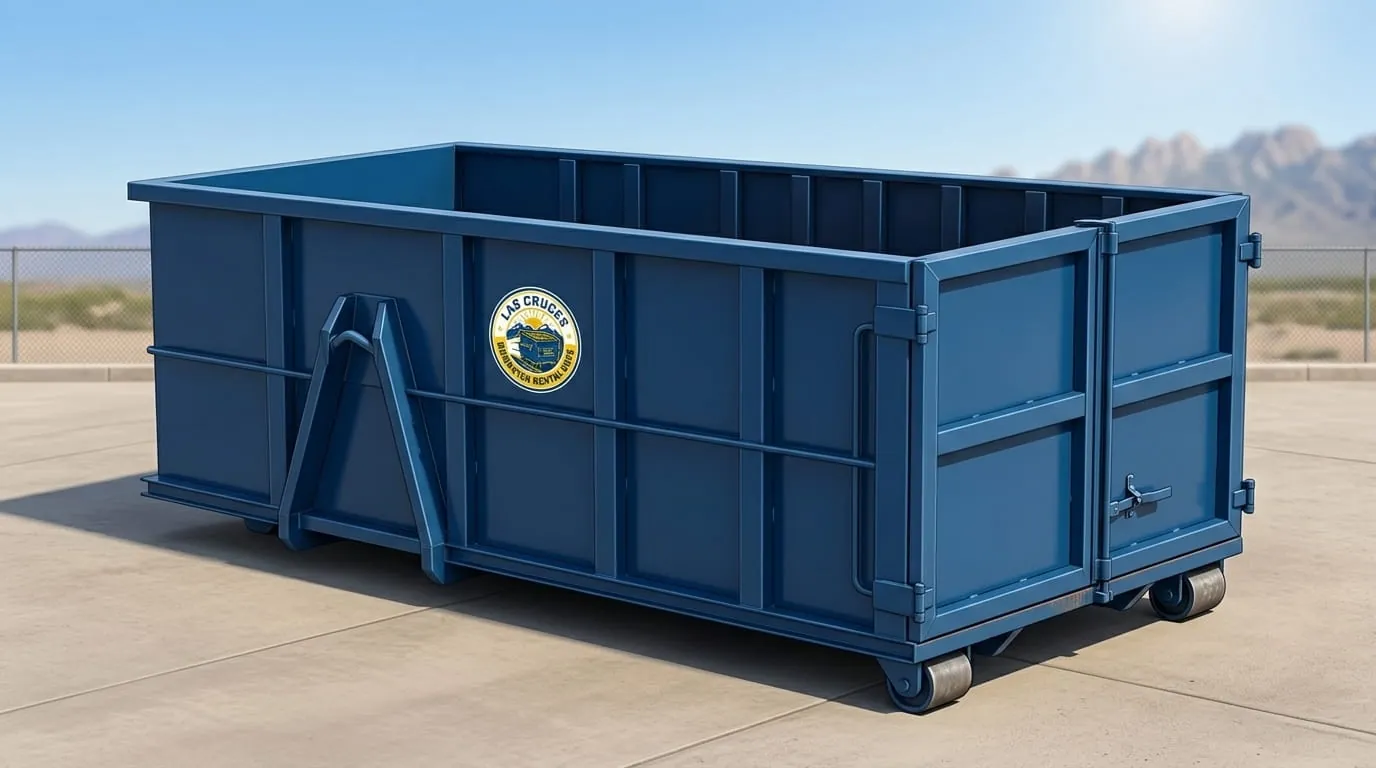
Anybody who has filled a 20-yard roll-off in the middle of July out here knows that a debris pile is rarely just trash. Mixed in with the broken drywall and the torn-up carpet is a surprising amount of material that never needed to hit the landfill at all: steel, clean lumber, old appliances, cardboard, busted-up concrete from a patio tear-out. After years of hauling boxes around Las Cruces and Doña Ana County, I can tell you the difference between a wasteful job and a responsible one usually comes down to how the load was thought through before the first piece went in the bin.
This is a practical guide to diverting material from the landfill on your next project. No lectures, just what actually gets recycled around here, how a roll-off load gets sorted, and how to plan so you throw away less. Because we live in a desert with a fragile watershed and finite landfill space, doing this well is not just good manners. It is the smart way to run a job.
Where Las Cruces Trash Actually Goes
Solid waste in this area is handled through the South Central Solid Waste Authority, usually shortened to SCSWA. It is a joint operation between the City of Las Cruces and Doña Ana County, and it runs the disposal system that most of us rely on, including the regional landfill out toward the Corralitos and Foothills area southwest of town. When a roll-off gets tipped, that is generally where the leftover material ends up.
Here is the part people miss: a landfill cell is a permanent commitment. Once something is buried and compacted under decades of other waste, it is gone for good, and that airspace is not coming back. Every ton we divert stretches the life of the landfill and keeps disposal costs from climbing as fast. So the goal on any cleanup, remodel, or construction job is simple. Keep the genuinely recyclable and reusable stuff out of the bin, and only landfill what truly has nowhere else to go.
One caveat I will repeat throughout: programs, accepted materials, hours, and drop-off locations change. Before you haul anything specific to a facility, confirm the current details directly with SCSWA or the City of Las Cruces. What I describe here is how the system generally works, not a promise about a particular gate on a particular day.
What Comes Out of a Roll-Off That Can Be Recycled
Most of the diversion value in a debris load sits in a handful of material streams. Learn to recognize these and you will already be ahead of most crews.
Scrap Metal
Metal is the easiest win and the one with real resale value. Steel studs, rebar, copper wire and pipe, aluminum flashing, old rain gutters, HVAC ductwork, water heaters, cast iron tubs, appliance shells, chain-link fence, even bent nails collected in a bucket. Scrap yards around Las Cruces will take clean metal, and some pay by the pound depending on the type. Copper and aluminum are worth the most; steel and iron are lower value but still divert weight. If a job is metal-heavy, it often makes sense to pull the metal aside before it ever touches the roll-off.
Cardboard and Clean Paper
New construction and any big delivery job generates mountains of cardboard: appliance boxes, flooring cartons, fixture packaging. Flattened and kept dry, corrugated cardboard is one of the most reliably recyclable materials there is. The enemy is contamination, so keep it out of the mud and away from wet drywall. A separate pile or a dedicated container for flattened boxes keeps it clean and haulable.
Clean Wood and Lumber
There is a big difference between clean wood and treated or painted wood. Clean, untreated dimensional lumber, plywood offcuts, pallets, and framing scrap can often be reused, chipped for mulch, or handled as a separate stream. Pressure-treated lumber, painted or stained wood, and anything with heavy adhesive is a different animal and generally has to be landfilled because of the chemicals. If you keep a clean lumber pile separate from the painted and treated stuff, you preserve the option to divert it.
Concrete, Brick, and Masonry
Tear out an old driveway, patio, or block wall and you are looking at some of the heaviest material on the job, and also some of the most recyclable. Clean concrete, brick, block, and asphalt can be crushed and reused as road base and fill. The key word is clean, meaning free of rebar tangles, dirt, and trash. Because this material is so heavy, keeping it in its own load rather than mixing it into a general-debris bin usually makes disposal simpler and can lower cost. This is worth a conversation before you rent, because a pure concrete load is handled very differently from mixed construction debris.
Green Waste and Yard Debris
Branches, brush, mesquite prunings, palm fronds, sod, and general yard cleanup are organic and often better composted or mulched than buried. If your project is mostly landscaping, ask about green-waste options rather than defaulting to a mixed bin. Desert yard waste breaks down into material that can go right back into local soil.
How We Sort a Load, and How You Can Help
When a roll-off shows up mixed, sorting happens somewhere, either on site, at a transfer point, or at the landfill scale. The cleaner it arrives, the more gets diverted. The messier it is, the more of it just gets buried because separating soaked, tangled, contaminated debris is slow and often not worth it.
The single most effective thing a homeowner or contractor can do is source-separate at the point of the work. That means deciding where a piece goes as you are holding it, not after it is buried under a hundred other things. A few habits that pay off:
- Stage your piles before you load. Metal here, cardboard there, clean wood in its own spot, concrete on the ground where a separate haul can grab it.
- Keep the recyclables dry. Wet cardboard and mud-caked lumber lose most of their diversion value.
- Do not bury the good stuff. If a water heater goes in first and gets buried under drywall, nobody is digging it back out.
- Ask before you fill. A quick call to your hauler about what you are throwing away often reveals a cleaner path you did not know about.
On our end, when a customer tells us up front that a load is mostly concrete, or mostly metal, or a clean remodel with separated cardboard, we can point the material toward the right destination instead of treating every bin as landfill-bound.
Reducing Waste Before It Starts
The cheapest debris to dispose of is the debris you never create. On the planning side of a project, a few decisions shrink the pile:
- Order accurately. Measure twice so you are not landfilling a third of a pallet of unused material.
- Deconstruct instead of demolish where it makes sense. Carefully pulling cabinets, doors, fixtures, and trim lets them be reused instead of smashed.
- Right-size the container. An oversized bin invites people to toss things that could have been sorted; too small and material overflows and gets mishandled. Match the container to the actual job.
- Reuse leftover materials on the next phase rather than tossing partial boxes of tile, extra fixtures, or good offcuts.
Donating and Rehoming Usable Materials
A shocking amount of what ends up in demolition bins still has years of life left. Cabinets in decent shape, working appliances, solid doors and windows, light fixtures, unused tile and flooring, extra lumber, furniture. Around Las Cruces there are building-material reuse outlets, thrift and charity operations, and habitat-type stores that will take usable building materials and household goods, sometimes with pickup for larger items. Rehoming these keeps good material in circulation, may earn you a tax deduction, and lightens your disposal load all at once.
If you are cleaning out a house or clearing a property and you are unsure what is trash and what is treasure, that sorting is a big part of a good junk removal job. Setting aside the donatable items before the rest goes in the bin is often the difference between a full landfill trip and a half load.
Why This Matters More in the Desert
Environmental responsibility reads a little differently in the Chihuahuan Desert than it does in a wetter climate. Our aquifer and the Rio Grande corridor are the whole reason there is a city here, and groundwater is precious. That is why hazardous material handling matters so much. Paint, solvents, motor oil, pesticides, automotive fluids, batteries, and electronics do not belong in a roll-off, ever. They need proper household hazardous waste handling, and SCSWA or the City can point you to the right program and collection events for those items.
Wind is the other desert factor. Loose lightweight debris, insulation, foam, plastic sheeting, and paper blows out of an uncovered bin and scatters across the mesa fast. Tarping or covering a load is not just a rule to follow; it keeps trash out of the arroyos and off the desert floor. And illegal dumping, which unfortunately happens on back roads and open land around the county, scars land that takes decades to recover in an arid climate. Using a legitimate hauler and a proper disposal path is part of keeping this landscape intact.
Not sure how to sort your load or what can be diverted? We plan the job with you before the bin ever arrives, so more of your debris gets recycled and less gets buried. Call (575) 449-8691 and talk to a real local operator about your project.
Putting It Together on a Real Job
Say you are gutting a kitchen and re-doing the backyard in the same month. A responsible plan might look like this. The old cabinets and the working dishwasher get set aside for donation. The copper lines, steel ductwork, and the old range go into a metal pile bound for the scrap yard. Appliance boxes and packaging from the new fixtures get flattened and kept dry as cardboard. The demolished concrete patio gets staged as a clean, separate load for crushing. Clean framing offcuts go in their own pile. What is genuinely left, the torn drywall, the old carpet, the broken tile, goes in the roll-off for the landfill. On a job like that, you might cut what you bury by a third or more just by thinking a few steps ahead.
None of this requires you to be an expert. It requires deciding, before the work starts, that the debris pile is going to be sorted rather than mixed. A hauler who knows the local system can carry a lot of that load for you. When we take on a project, part of the job is knowing which material has somewhere better to go than the landfill, and routing it there. You can read more about how we work on our about page, or get in touch through our contact page to plan a cleanup.
The Bottom Line
Recycling and responsible disposal on a project is not complicated, but it does take a little intention. Know your streams: metal, cardboard, clean wood, concrete, and green waste all have a path other than burial. Separate at the source, keep it dry and clean, donate what still has life, and keep hazardous material and blowing trash out of the desert. And whenever the specifics matter, the exact accepted materials, hours, fees, and drop-off points, confirm them directly with SCSWA or the City of Las Cruces before you haul, because those details do change. Do that, and every roll-off you fill puts a little less in the ground and does a little more for the place we all live.

Founder, Las Cruces Dumpster Rental Guys — sharing straight advice from more than 15 years of local hauling experience.