If you're reading this, chances are you've just been handed one of the hardest jobs a family ever asks of a person: emptying the home of someone you loved. Maybe it was sudden. Maybe you saw it coming for a long time. Either way, standing in the doorway of a house that still smells like them, looking at forty years of a life stacked in closets and cupboards, is a particular kind of heavy. We've helped a lot of Las Cruces families through this, and I want to say something plainly before we get into logistics: there is no wrong way to feel while you do this, and there is no medal for doing it fast.
What follows is the checklist we wish more people had before they started. It's practical because the practical part matters. But it's built around the idea that you can clear a house completely and still treat it, and yourself, with dignity.
Before You Touch Anything: Slow Down for a Day
The instinct, especially when grief is raw or when relatives have flown in from out of state, is to blitz the whole house in a weekend. Fight that instinct for at least the first day. The single most common regret we hear is not "I wish we'd finished sooner." It's "we threw something out that we can never get back."
Walk the house once, slowly, with a notebook or your phone. Don't sort yet. Just look. Note where the important things tend to live: the desk drawer, the fireproof box in the closet, the coffee can in the pantry where a surprising number of people of a certain generation kept cash. You're building a mental map before other hands start moving things around.
Secure the Documents and Valuables First
This is the step that protects everyone, including you as the person responsible. Before a single bag of trash leaves the house, gather and lock away anything that is legally or financially important. Set aside one room, or even just a lockable box, and make it the "do not touch" zone.
- Legal papers: the will, trust documents, deeds and property titles, vehicle titles, birth and marriage certificates, Social Security card, military discharge papers (the DD-214 matters for benefits).
- Financial records: bank and investment statements, life insurance policies, pension and retirement account info, tax returns for the last several years, unpaid bills and outstanding checks.
- Actual valuables: jewelry, cash, coins, firearms, watches, and anything that looks like it might have collector value before you're sure it doesn't.
- Digital keys: passwords, phones, laptops, and any handwritten list of logins. More and more lives live behind a screen now.
A word on firearms, because New Mexico families ask us about this often: don't assume you can just move or sell them. Secure them safely, and check with a licensed dealer or attorney about the legal transfer before anything happens. When in doubt, lock it up and deal with it later.
Understand Where You Stand as Executor
If you're the executor or personal representative, the house is not fully yours to empty on your own timeline, even when it feels like it should be. In most cases the estate needs to go through probate before major assets are distributed, and you have a legal duty to account for what was in the home. That doesn't mean you're frozen. It means you keep records.
Practically, that looks like: photograph rooms before you clear them, keep a rough inventory of anything of real value, and hold off on selling or giving away significant items until you know whether the will directs where they go. Doña Ana County timelines vary, but a straightforward estate can take several months to a year to settle. Give yourself permission to take that time. The trash and the obvious junk can go now; the meaningful and valuable things can wait for clarity.
Sort in Four Piles, Not Two
Most cleanout advice tells you to make two piles: keep and toss. That framework breaks down fast in a real house, and it's how sentimental things end up in a landfill. Use four categories instead, and physically separate them with tape, sticky notes, or different rooms.
1. Keep and Distribute
Items family members want or that the will assigns. Get everyone's wish list in writing early, because "I always assumed I'd get Grandma's rocker" is where holidays go to die.
2. Sell
Furniture in good shape, tools, collectibles, appliances, vehicles. Estate sale companies here in Las Cruces will run the whole thing for a percentage, which is worth it when there's a lot of value and not a lot of your time.
3. Donate
Usable clothing, dishes, linens, books, and furniture that won't fetch much but will genuinely help someone. More on this below.
4. Dispose
The broken, the stained, the expired, the water-damaged, the mattresses no charity will take. This is the pile the dumpster is for, and it's usually bigger than people expect.
Handling Sentimental Items Without Losing Yourself
Here's the honest truth: you cannot keep it all, and keeping everything is its own kind of burden that you'll eventually pass to someone else. But you don't have to be a monk about it either. A few things that have helped the families we've worked with:
- Photograph, then release. For items you love but can't house, take a good photo. The memory lives in you and the picture, not the object.
- Keep the story, not the whole set. One teacup from the china set carries the Sunday dinners just as well as all twelve.
- Give the grief a schedule. Set a timer when you hit a box of letters or photos. Look, feel it, then move on. Otherwise a single shoebox can swallow an entire afternoon.
- Let each grandchild pick one thing. It spreads the meaning around and it's a gift that costs you nothing.
If you find you genuinely cannot part with much of anything yet, that's a sign to keep those boxes and revisit them in six months. Clear the clutter and the trash now; the emotional decisions can breathe.
Working With Family Without a War
Estate cleanouts crack families open more than money does, and it's almost never about the money. It's about who gets the thing that meant home. A few ground rules keep the peace:
- Decide as a group how disputes get settled before you start. Taking turns to pick, drawing names, whatever, just agree on the rules first.
- Put major decisions in a shared text thread or email so nobody remembers it differently later.
- If a sibling can't be there, offer them a video call to say goodbye to the house or claim items remotely. Being excluded stings for decades.
- When you hit a true impasse, a neutral third party, an estate attorney or even a mediator, is cheaper than a fractured family.
Donation Versus Disposal: Drawing the Line
Donating feels better than throwing away, and it should be your default for anything genuinely usable. Las Cruces has solid options, from national charities to local thrift stores that fund community programs. Many will even schedule a pickup for large furniture, which saves your back and a trip.
But be realistic about what charities can actually use. They cannot resell stained mattresses, broken furniture, cribs that fail current safety standards, opened toiletries, or that tube TV nobody wants. Trying to donate the unusable just moves your problem to an underfunded nonprofit that has to pay to dump it. When something is worn out, the kindest and cleanest move is proper disposal. If you'd rather not touch it at all, a professional junk removal crew can haul the heavy, awkward, or unpleasant items so you don't have to.
Choosing the Right Dumpster Size
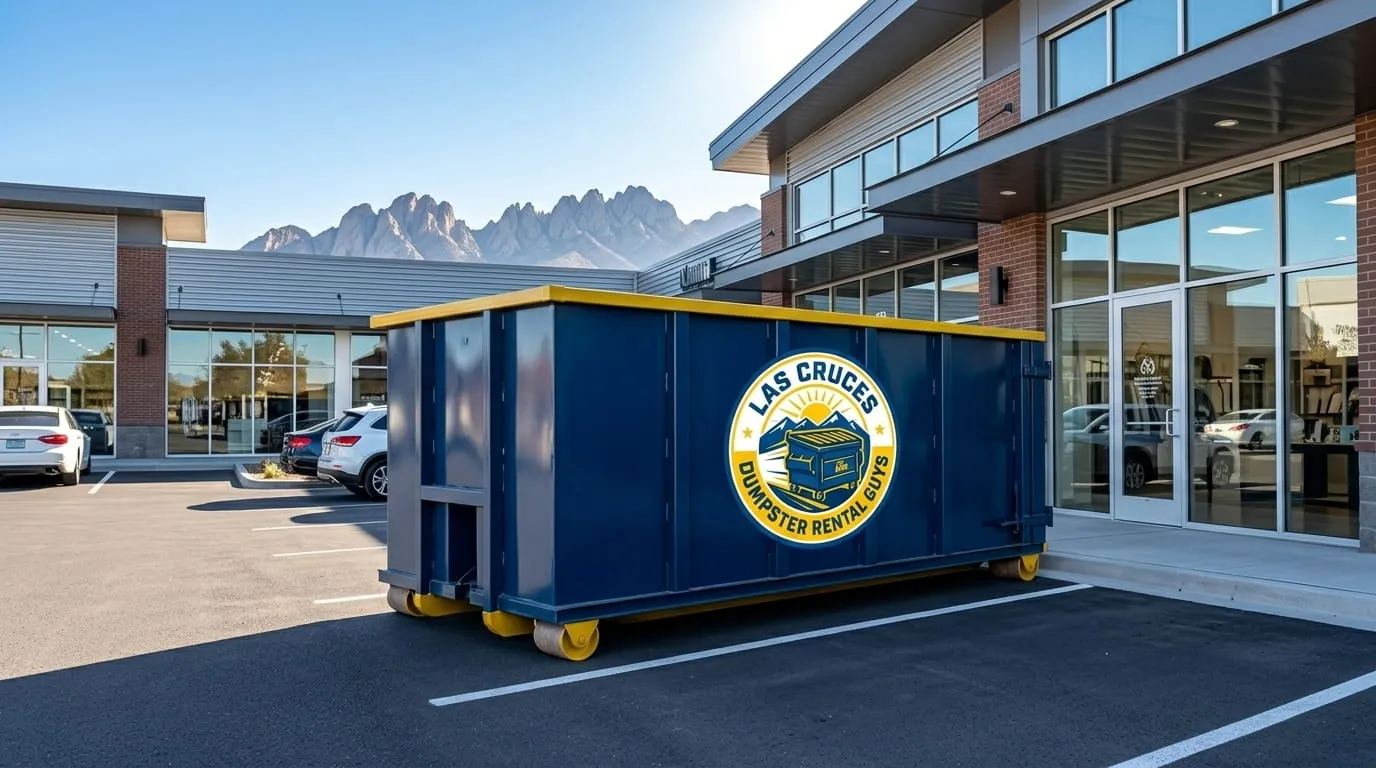
This is where we can genuinely take weight off your shoulders. A roll-off dumpster in the driveway changes the whole rhythm of a cleanout: instead of a hundred trips to the transfer station, you toss as you go and we haul it away when you're done.
For a typical estate cleanout of a full home, the 20-yard dumpster is the size we recommend most often. It holds the volume of a whole house of accumulated stuff, including furniture and boxes, without being so tall that older or awkward items are hard to load. For a small apartment or a single-room clearout, a smaller container may do. For a large multi-story home packed to the rafters, or a property with decades of garage and shed buildup, we'll sometimes suggest a 30-yard or a second haul.
Two practical tips: put the heavy stuff in first and spread it out, and don't fill past the top rail, because we can't legally haul an overloaded box down the road. If you're not sure what you need, a two-minute phone call saves you from renting too small or paying for too big.
A Realistic Timeline
Don't let anyone rush you, but a loose structure helps. Week one: secure documents and valuables, get the family wish lists, and book your dumpster and any estate sale help. Weeks two and three: sort room by room into your four piles, donate and sell as you go. Final stretch: fill the dumpster with what's left, do the deep clean, and hand the keys to the realtor or the next chapter. For most Doña Ana County homes, a focused cleanout runs two to four weekends. Take longer if you need to. This is the last thing you'll do in that house.
When you're ready for the heavy lifting, we're a phone call away. Las Cruces Dumpster Rental Guys will get the right-sized roll-off into the driveway on your schedule, so you can focus on your family instead of the landfill run. Call us at (575) 449-8691 and we'll talk through exactly what your cleanout needs, no pressure.
Doing It With Dignity
When the last box is gone and the rooms echo, most people feel two things at once: relief and a strange hollowness. That's normal. Clearing a house isn't erasing a person. You carried what mattered, you honored what they built, and you handled the rest with care. That is the whole job, and doing it well is a real act of love.
If we can take one piece of the burden off your plate, the hauling, we'd consider it an honor to help. Reach out any time through our contact page or by phone, and we'll meet you where you are.
Founder, Las Cruces Dumpster Rental Guys — sharing straight advice from more than 15 years of local hauling experience.